THE FONDAZIONE PINO PASCALI – MUSEUM OF CONTEMPORARY ART JOINS AMACI – THE ASSOCIATION OF ITALIAN CONTEMPORARY ART MUSEUMS, AS OF JANUARY 2026
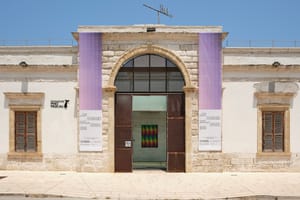
Courtesy Fondazione Pino Pascali, 2026
AMACI – the Association of Italian Contemporary Art Museums – is pleased to announce that, as of January 2026, the Fondazione Pino Pascali – Museum of Contemporary Art will officially become part of its network of member museums.
The decision, approved by the Members’ Assembly, is based on recognition of the Museum’s path of growth and the high quality of its cultural, exhibition and research activities. The Foundation’s admission has been assessed as a significant added value for AMACI, capable of making an authoritative contribution to the consolidation of the Italian contemporary art system, with particular attention to the territory in which it operates.
With this new membership, the Fondazione Pino Pascali becomes the first museum from Apulia to join the Association, further expanding AMACI’s territorial presence: the network now covers 12 of Italy’s 20 regions – equal to 60% of the national territory – and comprises a total of 27 member museums.
“On behalf of the entire Association,” states Lorenzo Balbi, President of AMACI, “I would like to extend a warm welcome to the Fondazione Pino Pascali. We are delighted to welcome the Museum into our network, confident that its presence will make a valuable contribution to the life of the Association by offering the perspective of a territory previously unrepresented, broadening our field of observation and fostering new relationships. We look with interest at the opportunities opened up by this admission and hope to develop together new projects, opportunities for dialogue and shared pathways for the benefit of the Italian contemporary art system.”
The Fondazione Pino Pascali’s entry into AMACI represents a significant step in strengthening collaboration among public museum institutions dedicated to the promotion of contemporary art, with the aim of activating new synergies and encouraging the wider dissemination of artistic culture in Italy.
FONDAZIONE PINO PASCALI
The Pino Pascali Museum was founded in 1998 following a significant bequest of works and memorabilia belonging to the artist from his family. In 2010, the Museum was transformed into the Fondazione Pino Pascali, jointly supported by the Apulia Region and the Municipality of Polignano a Mare, with its own statute and internal regulations. The current premises are located in a restored former municipal slaughterhouse, dramatically overlooking the sea – the house by the sea that Pascali so deeply desired.
The Foundation is structured to operate through thematic frameworks, with the aim of offering a vision of art that is as eclectic as possible and aligned with the most advanced contemporary artistic research and languages.
The Foundation’s activities are rooted in the figure of Pino Pascali, one of the most important figures in Italian and international art of the 1960s, who died in Rome at the age of just 33. He remains a fundamental point of reference for the development of the Museum’s exhibition programme.
In addition to a substantial number of works by Pino Pascali, the Foundation presents works by the most significant artists from Apulia, as well as works by the winners of the Pino Pascali Prize. The permanent collection and temporary exhibitions offer the public a cultural programme in line with the most highly regarded international museum standards, leading to the Foundation being awarded, in 2013, the First Prize as Italy’s Best Contemporary Art Foundation.
Fondazione Pino Pascali
Via Parco del Lauro, 119
70044 Polignano a Mare (BA)
www.fondazionepascali.it